


Ram Build Sheet and Factory Equipment by VIN
What the decoder can show
Ram Build Sheet and Factory Equipment by VIN explains researching the original Ram truck configuration from a VIN. DecoderPO’s Mopar-focused decoder is designed to return a more useful equipment view than a basic VIN lookup that only identifies the year, make, model, and engine family.
For Ram owners, the important question is usually not only what the vehicle is, but how it was configured when it left the factory. The equipment record can include engine and transmission combinations, axle ratios, towing packages, suspension, bed equipment, cab configuration, wheels, interior groups, and technology packages.
The term Mopar is commonly used for the parts, service, and enthusiast ecosystem associated with Chrysler, Jeep, Dodge, and Ram vehicles. Across these brands, factory data may be described as an equipment listing, build sheet, option list, package list, or sales-code record.
A VIN provides the starting point for matching one specific vehicle to the available factory information. This is more dependable than assuming equipment from badges, photographs, trim names, or a seller’s description.
Why vehicle-specific equipment matters
A useful introduction is Mopar VIN Equipment Decoder: How to Find Factory Options. It shows how brand-specific equipment research fits into the broader Mopar decoding workflow.
Two vehicles with the same model and trim can still have different options. Production date, market, package combinations, standalone options, fleet orders, regional requirements, and mid-year changes can alter the final configuration.
That difference matters when buying a used vehicle. A decoder can help verify whether valuable equipment such as towing hardware, advanced safety systems, premium audio, upgraded seats, special wheels, performance brakes, or off-road packages was part of the original build.
It also matters when a vehicle has been modified. Wheels, seats, suspension components, infotainment units, exterior panels, and badges are often changed, so the current appearance may not reflect the original specification.
Understanding sales codes and option groups
Owners comparing brands may also review Chrysler Build Sheet and Factory Equipment by VIN. Chrysler, Jeep, Dodge, and Ram share parts of the same manufacturing ecosystem, but the equipment categories that matter most can differ significantly.
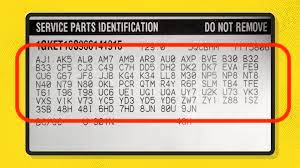
Mopar sales codes are short identifiers used to represent factory equipment and configuration choices. A raw list is difficult to use unless the codes are translated into readable descriptions and grouped by category.
A well-structured result should separate major systems such as engine, transmission, driveline, axle, suspension, brakes, towing, wheels, paint, interior, safety, and technology. This makes the output practical instead of merely technical.
Some codes describe major customer-facing options, while others identify production, regulatory, regional, or internal configuration details. Not every code has the same importance for ownership, repairs, or resale.
Build sheets, equipment listings, and window stickers
For another vehicle-specific example, see Jeep Build Sheet and Factory Options by VIN. Different models place different weight on towing, performance, off-road hardware, luxury equipment, or family-oriented features.
A build sheet is generally understood as a detailed record of how the vehicle was assembled. An equipment listing may present similar information in a cleaner list, while a window sticker focuses more on standard equipment, paid options, original pricing, destination charges, and consumer-facing details.
These records overlap, but they should not be treated as identical. A VIN equipment decoder may return detailed factory options even when an original Monroney window sticker is not available.
Coverage can vary by model year, market, brand, and source data. A responsible decoder should clearly distinguish between confirmed equipment data, decoded VIN attributes, and information that is unavailable.
Readers interested in the fourth brand group can continue with Dodge Build Sheet and Sales Codes by VIN. Cross-linking the brand guides makes it easier to understand how the same type of lookup applies across the Mopar family.
How to enter and review the VIN
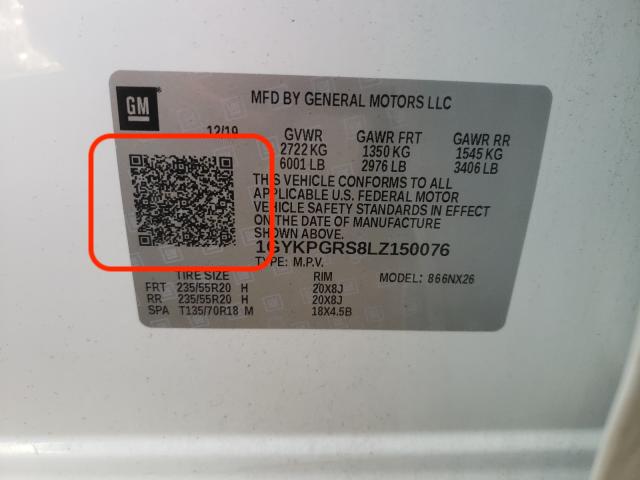
Before decoding, copy the complete 17-character VIN from a reliable source. The dashboard plate, driver-side certification label, registration document, title, and insurance record are common locations.
Standard VINs do not use the letters I, O, or Q. This reduces confusion with the numbers 1 and 0, but every character still needs to be checked because a single error can return no result or identify the wrong vehicle.
After receiving the equipment list, start with the categories that affect value, capability, and parts compatibility. Engine, transmission, axle, four-wheel-drive system, brakes, suspension, towing equipment, paint, and major packages usually deserve the first review.
Using the result
For service and parts work, the VIN equipment result should be combined with the production date, physical inspection, existing part numbers, and official service information. Factory data is a strong reference, but it should not replace every fitment check.
For used-vehicle research, compare the decoded configuration with the listing and the physical vehicle. Missing or added equipment may indicate modifications, repairs, incorrect advertising, or replacement parts from another trim.
For restoration and documentation, the original equipment list provides a baseline. It can help identify the correct colors, trim, wheels, drivetrain components, suspension hardware, and package content.
DecoderPO’s Mopar decoder is intended for factory-equipment research. It does not replace a vehicle-history report covering accidents, title status, ownership, liens, mileage, theft, recalls, or service history.
Check the original equipment: Use the Mopar VIN Equipment Decoder for Chrysler, Jeep, Dodge, and Ram to retrieve available factory options, packages, sales codes, and build information.